The King's Dilemma (Vikram & Betal) – Moral Story for Kids
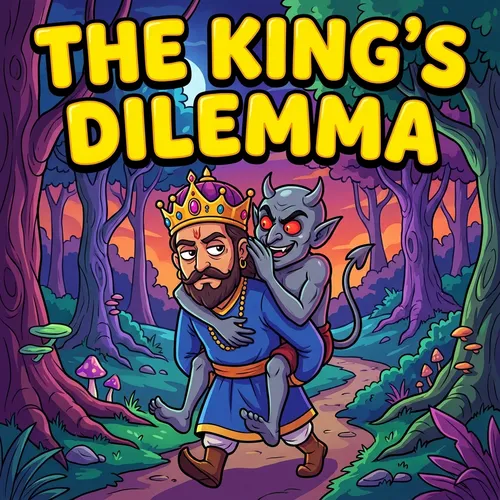
King Vikramaditya tramped through the dark, thorny forest with the silent figure of Betal on his shoulder. The wind howled through the twisted branches like a pack of wolves. “O King,” whispered the ghostly voice of Betal right into his ear. “You are very persistent. But the path is long and boring. Let me tell you a story to make the time pass.” Vikramaditya said nothing. If he spoke, the ghost would fly back to his tree. So he listened quietly.
The Story of the Two Suitors
In a village near the holy river, lived a village chief who was respected by all. He had a daughter named Sujata, who was as beautiful as the dawn and as gentle as a dove. Sujata had reached marriageable age. Two young men from the village came forward to ask for her hand. The first was Veera. He was a warrior—strong, brave, and fearless. He could wrestle a tiger and swim across the flooding river. The second was Dharma. He was a scholar—learned, wealthy, and very generous. He built schools and fed the poor. Both were good men. The Chief could not decide. He said, “I need some time to think.” But alas, fate had other plans. A terrible storm struck the village that night. The river swelled and flooded the houses. In the chaos, the old Chief was swept away by the raging waters. Sadness filled the village. The Chief was gone, and his body was lost in the dark, swirling river.
The two suitors reacted differently. Veera, the brave one, didn’t hesitate. “I will find him!” he vowed. He jumped into the dangerous, flooded river. He fought the currents, risking his own life a hundred times. He searched the riverbanks for days, hungry and cold, hoping to find the Chief to give him a proper funeral. It was a dangerous, heroic act.
Dharma, the rich scholar, stayed back with the grieving daughter. “We must honor his soul,” he said. He used his own wealth to arrange a grand memorial service. He fed thousands of poor people in the Chief’s name. he built a stone temple on the riverbank so that people would remember the Chief forever. He comforted Sujata and ensured the family’s dignity was maintained.
Betal paused. “Now, King Vikram, answer me this. Years later, when Sujata had to choose a husband, whom should she choose? Who performed the greater duty? The one who risked his life for the lost body, or the one who honored the memory and soul?” Betal chuckled. “If you know the answer and do not speak, your head will shatter into a thousand pieces!”
Vikramaditya knew the answer. He could not remain silent. “The husband should be Dharma,” said the King firmly. “Why?” asked Betal. “Veera was brave, yes,” explained Vikram. “But his action was impulsive. He risked a living life (his own) for a lost one. Dharma, however, understood the true essence of duty. He honored the Chief’s memory. By building a memorial and feeding the poor, he kept the Chief’s name alive. He also cared for the living daughter when she needed support the most. In civilization, honoring the legacy and caring for the living is a higher duty than risking life for the departed.”
“Aha!” shouted Betal. “You are wise, O King! But you opened your mouth!” SWOOSH! The ghost flew off the King’s shoulder and went all the way back to the banyan tree. Vikramaditya sighed, drew his blade, and walked back into the darkness to catch him again.
Moral of the Story: Wisdom lies in understanding the deeper meaning of duty. Honoring the spirit is often more important than just physical bravery.
More Stories You'll Love
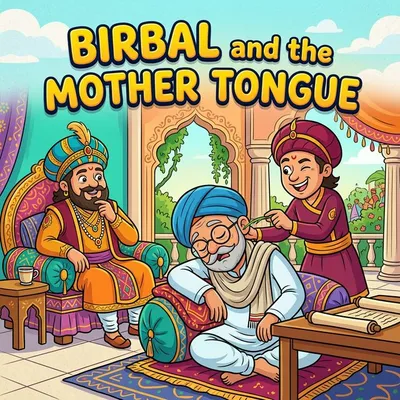
Birbal and the Mother Tongue – Akbar Birbal Story for Kids
A traveling scholar challenges King Akbar's court to guess his true mother tongue. Birbal uses a clever midnight trick to find out the truth!
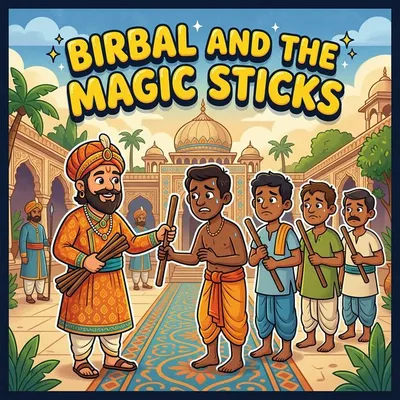
Birbal and the Magic Sticks – Akbar Birbal Story for Kids
When a wealthy merchant's house is robbed, Birbal hands the suspects "magic" sticks that will catch the guilty thief. A story about cleverness and guilt.
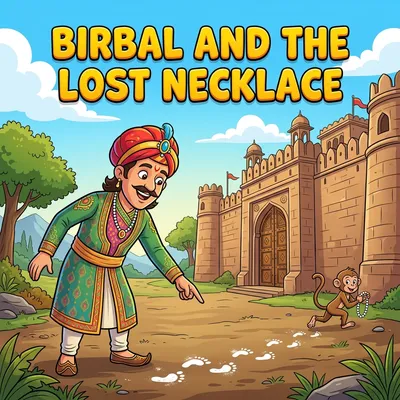
Birbal and the Lost Necklace
A valuable necklace goes missing in the palace. Birbal uses keen insight and footprints to uncover the truth without hurting anyone.
Reactions & Comments
Let us know what you think with a reaction!